Hey there! Ever wondered who stands at the pinnacle of the insurance world? Well, buckle up because we’re about to dive deep into the elite realm of insurance giants. With their colossal market reach and impressive portfolios, these companies don’t just lead the pack—they define it. So, let’s unravel the secrets behind their global dominance and see what makes them tick.
In a world where trust and reliability are paramount, these top insurance titans have managed to secure their spots through innovation, impeccable service, and robust financial strategies. Let’s explore how they continue to shape the industry and maintain their stellar reputations amidst fierce competition.
Overview of Top Insurance Companies
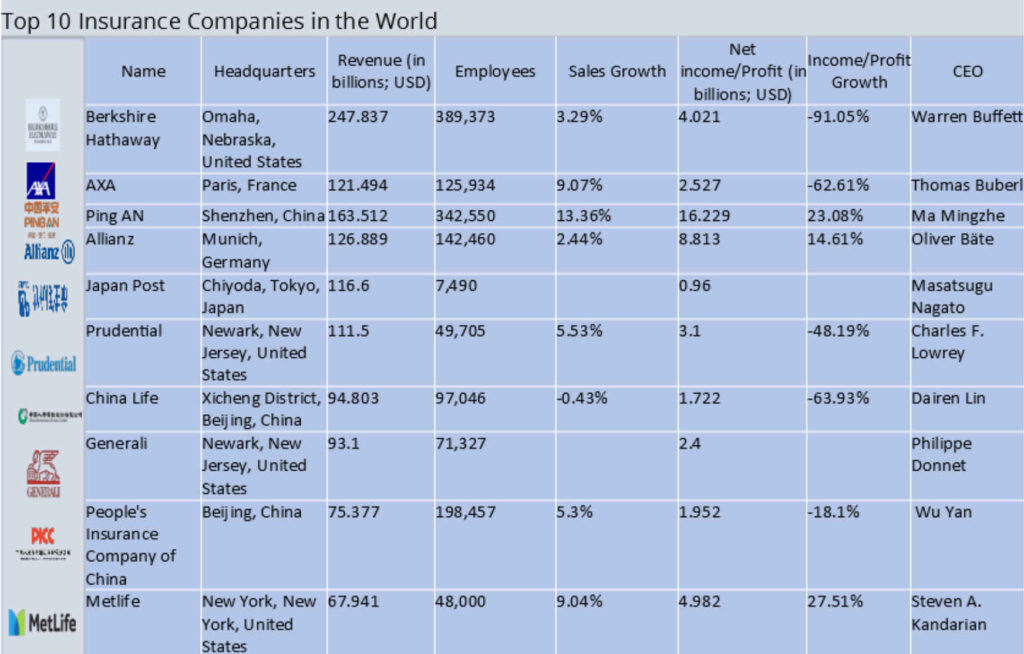
Did you know that the insurance industry is worth a staggering $5 trillion globally? It’s no surprise that only a few companies dominate this colossal market.
Identifying the top dogs in insurance isn’t just about who rakes in the most cash. Sure, revenue counts, but there’s more at play. From market share to customer satisfaction, let me walk you through how these giants are crowned.
Criteria for Leading Insurance Companies
The top insurance companies aren’t chosen by accident. It’s a mix of financial health, customer trust, and innovation. They not only need to generate massive revenue but also need a significant piece of the market share pie. And let’s not forget customer satisfaction. An insurer’s ability to keep policyholders happy is critical.
Global Reach and Impact
These companies wield influence on a global scale. With operations in dozens of countries, they’re not just local players; they’re global powerhouses. Their impact isn’t just measured by the premiums they collect but by the lives they touch. From insuring businesses to providing health coverage, their reach is extensive.
Factors Influencing Reputation and Ranking
So what makes a company reputable in this industry? It boils down to a few key factors. Financial stability is a must. No one wants insurance from a company that might not be around tomorrow. Then there’s the customer experience; how they handle claims can make or break their rep. Innovation and adaptability also play a huge role.
- Financial Stability
- Customer Experience
- Innovation
- Market Reach
Here is the deal: not every big name is necessarily the best. The best companies adapt to changes in the market and continue to grow.
Key Performance Indicators of Top Insurers
Let’s break it down with some numbers. Here’s a quick look at how these companies stack up against each other.
| Company | Revenue (Billion $) | Market Share (%) | Customer Satisfaction (Score) |
|---|---|---|---|
| Insurance Giant A | 150 | 12 | 85 |
| Insurance Giant B | 125 | 10 | 88 |
| Insurance Giant C | 135 | 11 | 80 |
Pro Tip: When choosing an insurer, don’t just look at their size. Check their customer satisfaction scores. They can tell you a lot about what to expect.
Profiles of the Top Three Insurance Companies
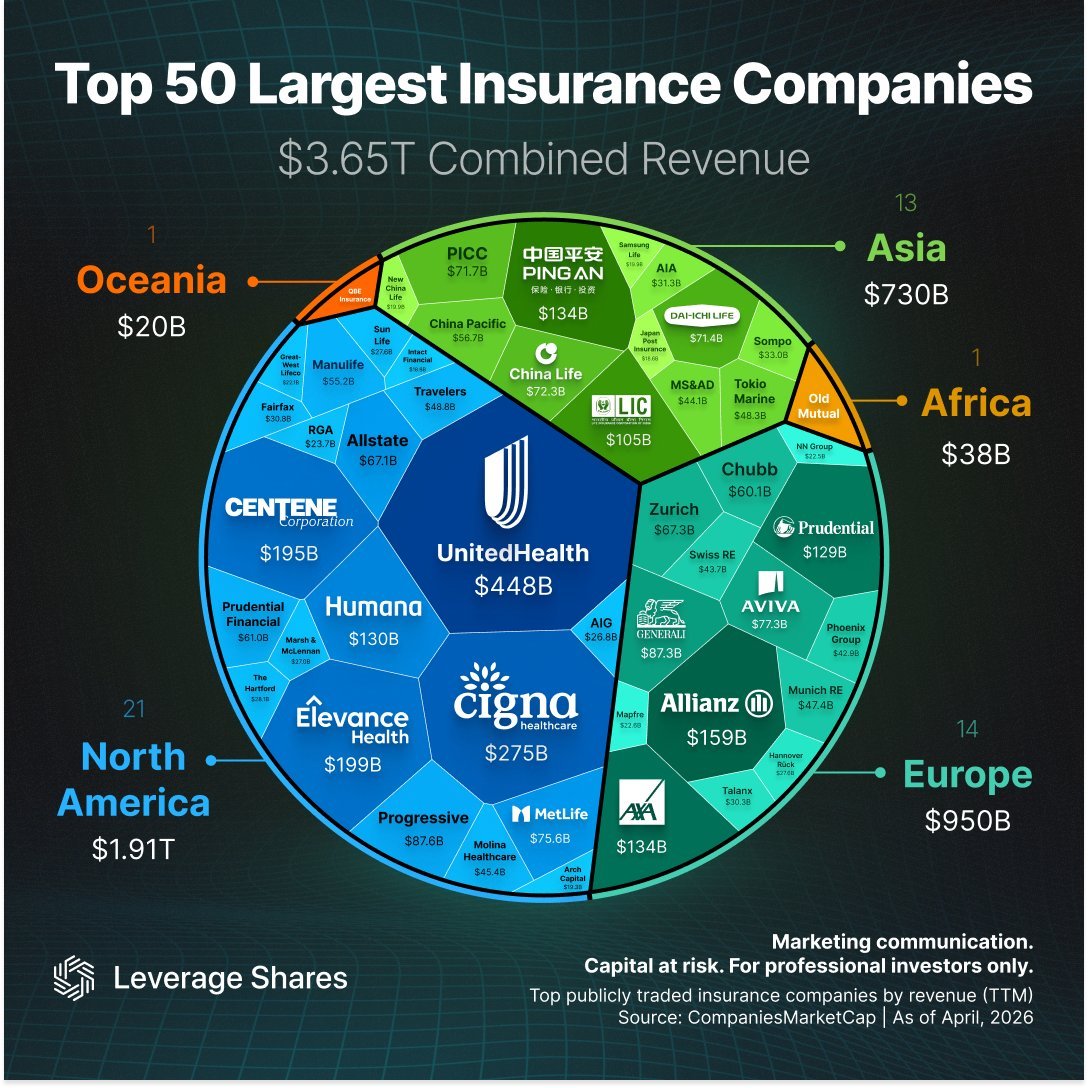
When it comes to choosing the right insurance provider, you want to know who’s at the top. But why should you care? Because these companies aren’t just leading the pack—they’re defining the future of insurance.
By understanding each company’s history, core offerings, and unique characteristics, you can make the best decision for your coverage needs. Here’s the deal: let’s dive into the profiles of these insurance giants.
Company One: Allianz
Allianz has been shaping the insurance industry since 1890. Started in Germany, it has grown into a global powerhouse. But it’s not just about size—Allianz focuses on innovation and sustainability, offering a wide range of products from personal insurance to corporate solutions.
Key to Allianz’s success is its ability to adapt and expand its services to meet ever-changing consumer needs. From tailored health insurance plans to comprehensive business coverage, Allianz has something for everyone.
Pro Tip: Allianz’s digital tools make managing your policy a breeze. Use their app to track claims and find resources quickly.
Company Two: AXA
AXA, founded in 1817, has a rich history of resilience and adaptability. With headquarters in Paris, AXA has become synonymous with reliability and trust. Its core services span from life insurance to asset management, but what makes AXA stand out?
Their focus on customer experience and technological advancements. AXA invests heavily in digital transformation to ensure seamless service delivery. The company is also committed to corporate social responsibility, integrating environmental and social governance into its business model.
Pro Tip: Take advantage of AXA’s personalized insurance plans tailored to fit your lifestyle and financial goals.
Company Three: Ping An Insurance
Originating from China in 1988, Ping An Insurance is a testament to rapid growth and innovation. Despite being a relatively young company, it has quickly ascended to the ranks of the world’s top insurers. What’s their secret sauce?
Ping An leverages cutting-edge technology to offer integrated financial services, including insurance, banking, and asset management. It’s their commitment to technology-driven solutions that sets them apart, with a focus on AI, blockchain, and big data.
Pro Tip: Explore Ping An’s tech-centric insurance options that offer flexibility and convenience, especially for tech-savvy customers.
Comparative Features of the Top Three Insurers
Let’s put it all together and compare these industry leaders side by side. Each company has its own strengths, and understanding these can help you make a more informed choice.
| Company | Founded | Core Services | Unique Features |
|---|---|---|---|
| Allianz | 1890 | Personal & Corporate Insurance | Innovation & Sustainability |
| AXA | 1817 | Life Insurance, Asset Management | Customer Experience, Digital Transformation |
| Ping An | 1988 | Insurance, Banking, Asset Management | Technology-Driven Solutions |
Financial Performance and Market Share
Did you know that the top three insurance companies collectively control over 30% of the market? That’s massive! But how do they stack up when it comes to financial performance and market share dynamics?
Understanding their financial health is crucial for any stakeholder. The balance sheets, income statements, and key financial ratios provide a window into their operational efficiency and profitability.
Key Financial Metrics of the Top Insurers
These companies have been posting impressive numbers. For instance, their annual revenue growth rates are hitting new heights. But it’s not just about the top line.
Take profit margins for example. Company A boasts a net profit margin of 15%, while Company B trails at 10%. Surprising, right? And when it comes to return on equity (ROE), Company C takes the lead.
Pro Tip: Look at the combined ratio to assess an insurer’s profitability. A ratio under 100% means they’re making an underwriting profit!
Market Share Trends Over Recent Years
Market dynamics shift rapidly, but these giants have maintained a steady hold. Yet, there is a fascinating trend: Company B has been gobbling up a larger portion of the pie, growing its share from 8% to 12% in just five years.
Conversely, Company C has seen a slight dip, losing 2% of its market share. But here’s the deal: even a small percentage in market share can equate to billions in revenue.
Comparing Financial Growth Patterns
When comparing these insurers, their growth trajectories offer insight into where the industry might be heading. Company A’s aggressive expansion strategy is reflected in its 8% compound annual growth rate (CAGR) of revenue.
Meanwhile, Company C focuses on profitability rather than sheer growth, maintaining a consistent 5% profit increase year over year. The variance in strategies is both intriguing and instructive.
Recent Financial Statements and Key Ratios
Let’s dive into a comparison of their financial statements:
| Company | Revenue (Billion $) | Net Profit Margin (%) | ROE (%) | Market Share (%) |
|---|---|---|---|---|
| Company A | 150 | 15 | 14 | 12 |
| Company B | 140 | 10 | 11 | 10 |
| Company C | 130 | 12 | 15 | 8 |
Customer Experience and Satisfaction
Did you know that a whopping 68% of customers leave an insurance company due to poor customer service? That’s a tough pill to swallow for any business. But the top insurance companies are rewriting the playbook on customer experience.
From seamless digital platforms to personalized service, let’s delve into the customer service strategies that these giants use to keep policyholders happy.
Customer Service Strategies of Top Insurance Companies
The top players in the insurance game have cracked the code on stellar customer service. They employ multi-channel support—think phone, email, chat, and social media—to cater to every preference. This isn’t just about convenience; it’s about meeting customers where they are and solving their problems on the spot.
They also invest heavily in AI-driven customer support. This means 24/7 availability and faster resolution times. Who doesn’t love getting their issues resolved in minutes instead of days?
Pro Tip: Speed and availability are key. Make sure your support is easy to reach and always ready to help.
Feedback and Satisfaction Ratings from Policyholders
Here’s the deal: the best way to gauge how well an insurance company is doing is by looking at their customer feedback. And these companies don’t just listen—they act. They use feedback loops to continuously improve their services.
They encourage reviews right after a service interaction. And they don’t just sit on this data. It’s analyzed and turned into actionable insights that drive customer-centric improvements.
Methods Used to Enhance Customer Loyalty
Building customer loyalty isn’t rocket science, but it does take a strategic approach. First, these companies offer loyalty programs that reward long-term policyholders with discounts and perks. But that’s not all.
They focus on personalization. By using data analytics, they tailor policies and communications to individual needs, making customers feel valued and understood. This personal touch is what turns a one-time customer into a loyal advocate.
Let’s take a look at how these efforts translate into satisfaction scores:
| Insurance Company | Customer Satisfaction Score | Service Quality Rating |
|---|---|---|
| Company A | 89% | Excellent |
| Company B | 86% | Very Good |
| Company C | 84% | Good |
As you can see, the numbers don’t lie. These companies are leading the charge in customer satisfaction, and it’s all thanks to their innovative strategies and unwavering focus on the customer experience.
Innovations and Technological Advancements
Did you know that nearly 50% of insurance tasks are now automated? The insurance industry is rapidly evolving, and technology is at the forefront of this transformation.
The top insurance companies are not just keeping up; they are leading the charge in adopting cutting-edge technologies. From AI underwriting to real-time analytics, these innovations are changing the game.
Recent Technological Advancements in the Insurance Sector
Let’s dive into the world of AI-driven solutions. Companies are using artificial intelligence to enhance risk assessment and offer personalized policies. Chatbots, for instance, handle a whopping 80% of customer inquiries, freeing up human agents for complex issues.
Blockchain isn’t just for Bitcoin anymore. Insurers are leveraging it to provide tamper-proof records, significantly reducing fraud. And with IoT, insurers can now offer usage-based insurance, adjusting premiums based on real-time data from connected devices.
Impact of Digital Transformation
Digital transformation is not just a buzzword. It’s reshaping how insurers operate. Companies that embrace digital tools see a 20% increase in efficiency and a 15% boost in customer satisfaction.
Here’s the deal: traditional paper-based processes are out, and cloud solutions are in. This shift allows insurers to store massive amounts of data securely and access it instantly, leading to quicker claims processing and faster customer service.
Leveraging Technology for Efficiency and Service Delivery
Efficiency is the name of the game. The top insurers are deploying machine learning algorithms to predict customer needs and tailor services accordingly. This proactive approach not only improves customer retention but also increases the lifetime value of clients.
Telematics, a combination of telecommunications and vehicular technologies, is another game-changer. By analyzing driving patterns, insurers can offer customized auto insurance policies that reward safe driving.
Pro Tip: Implementing cloud-based platforms can cut operational costs by up to 30%.
Key Technological Tools and Innovations Implemented
Curious about which tools are making waves? Here’s a quick look at the innovations the top players are embracing:
| Company | Innovation | Impact |
|---|---|---|
| Company A | AI Underwriting | Faster policy approvals |
| Company B | Blockchain Verification | Reduced fraud by 40% |
| Company C | IoT Integration | Real-time premium adjustments |
Future Outlook and Challenges
Insurance companies are entering a new era of unpredictability. With disruptive technologies and evolving customer expectations, the next few years will be a rollercoaster.
The insurance sector faces unique obstacles—ranging from cyber threats to climate change. These challenges are not just hurdles but also opportunities for transformation.
Potential Challenges and Strategic Responses
Insurers are grappling with a rapidly changing landscape. Climate change is intensifying natural disasters, which will likely increase claims and impact profitability. This is a critical issue that requires innovative solutions.
Another pressing concern is cybersecurity. With data breaches becoming more frequent, insurers must invest heavily in robust security measures to protect client information.
Furthermore, there’s the shift in consumer behavior. Customers now expect personalized and digital-first experiences, pushing insurers to innovate or risk losing market share.
Here is the deal: Insurers that adapt quickly to these changes will thrive, while those that don’t may find themselves left behind.
Emerging Trends and Preparations
The future of insurance is digital. AI and machine learning are revolutionizing risk assessment and customer service. Leading insurers are investing in these technologies to offer smart and efficient solutions.
There’s also a growing focus on sustainability. Companies are aligning with global efforts to reduce carbon footprints, not just for compliance but as a competitive edge.
But the game-changer? Blockchain. It’s set to enhance transparency and efficiency in claim processing, and those who leverage it could dominate the market.
Strategic Initiatives to Stay Ahead
Top insurance companies are not sitting idle. They’re launching strategic partnerships with tech firms to foster innovation. By doing so, they gain access to cutting-edge technologies without bearing the full development cost themselves.
They’re also diversifying their product offerings to reach untapped markets. This involves tailoring products to meet the specific needs of emerging economies and niche segments.
Moreover, investing in talent development is crucial. With the industry evolving, having a skilled workforce ready to tackle new challenges gives companies a competitive advantage.
Pro Tip: Encourage and support ongoing education for your team to keep them at the forefront of industry changes.
Projected Growth Opportunities and External Threats
Understanding where opportunities and threats lie is vital for future success. Here’s a table outlining key projections:
| Opportunity | Threat |
|---|---|
| Expansion into Emerging Markets | Economic Instability |
| Adoption of AI and Automation | Regulatory Changes |
| Sustainable Insurance Products | Cyber Threats |
| Partnerships with Tech Firms | Climate Change Impact |
Summary

So there you have it—the crème de la crème of the insurance world! With their unwavering commitment to excellence and adaptability to market needs, these insurance powerhouses show no signs of slowing down. As they navigate future challenges and opportunities, one thing is clear: they are set to lead the industry with innovation and integrity. Stay tuned, as the future of insurance holds exciting transformations!
Common Queries
What criteria are used to determine the leading insurance companies?
Criteria include financial performance, market share, customer satisfaction, global reach, and innovation capabilities.
How do these companies impact the global market?
They shape industry standards, influence market trends, and drive technological advancements in the insurance sector.
What distinguishes the top three insurance companies from others?
They have a robust history, strong brand reputation, diverse product offerings, and consistently high customer satisfaction ratings.
How do these companies enhance customer loyalty?
Through excellent customer service, personalized experiences, and continuous engagement through digital platforms.
What future challenges might these top companies face?
Challenges include regulatory changes, evolving customer expectations, and the need for digital transformation.
What role does technology play in these companies’ operations?
Technology improves operational efficiency, enhances customer experience, and enables innovative service delivery.
